Process Optimization
Understand how work moves today, redesign the highest-friction steps, and establish a review cycle that keeps the improved process useful as the business changes.
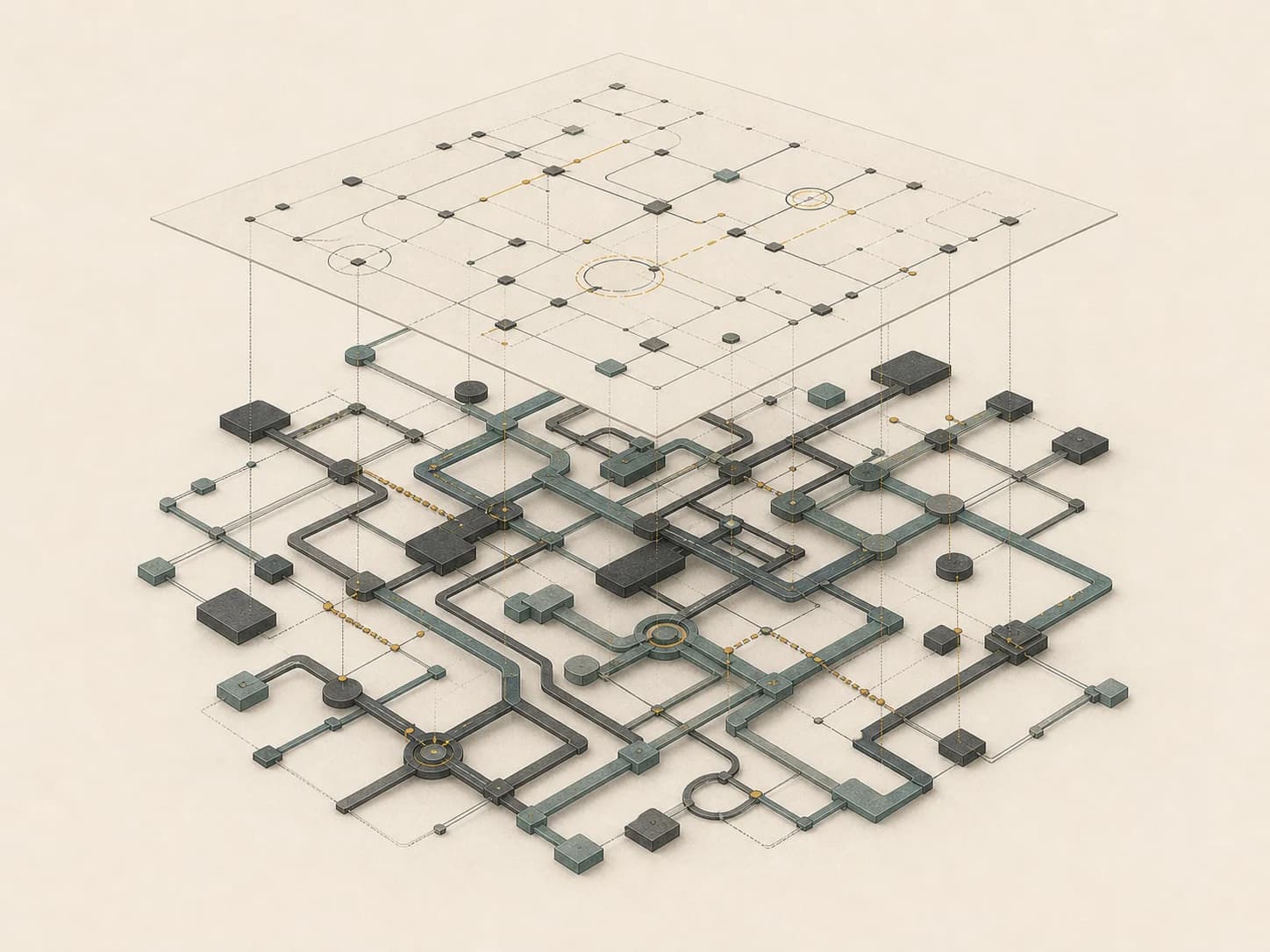
Current State Assessment
We use workshops, stakeholder interviews, and available operational data to map handoffs and dependencies. This exposes delays, duplicated effort, manual steps, and unclear ownership before decisions are made about redesign or automation.
- End-to-end workflow maps and ownership boundaries
- Stakeholder interviews and pain-point discovery
- Baseline measures for productivity and quality
- Manual dependencies and bottleneck analysis
- Prioritized findings with practical next steps
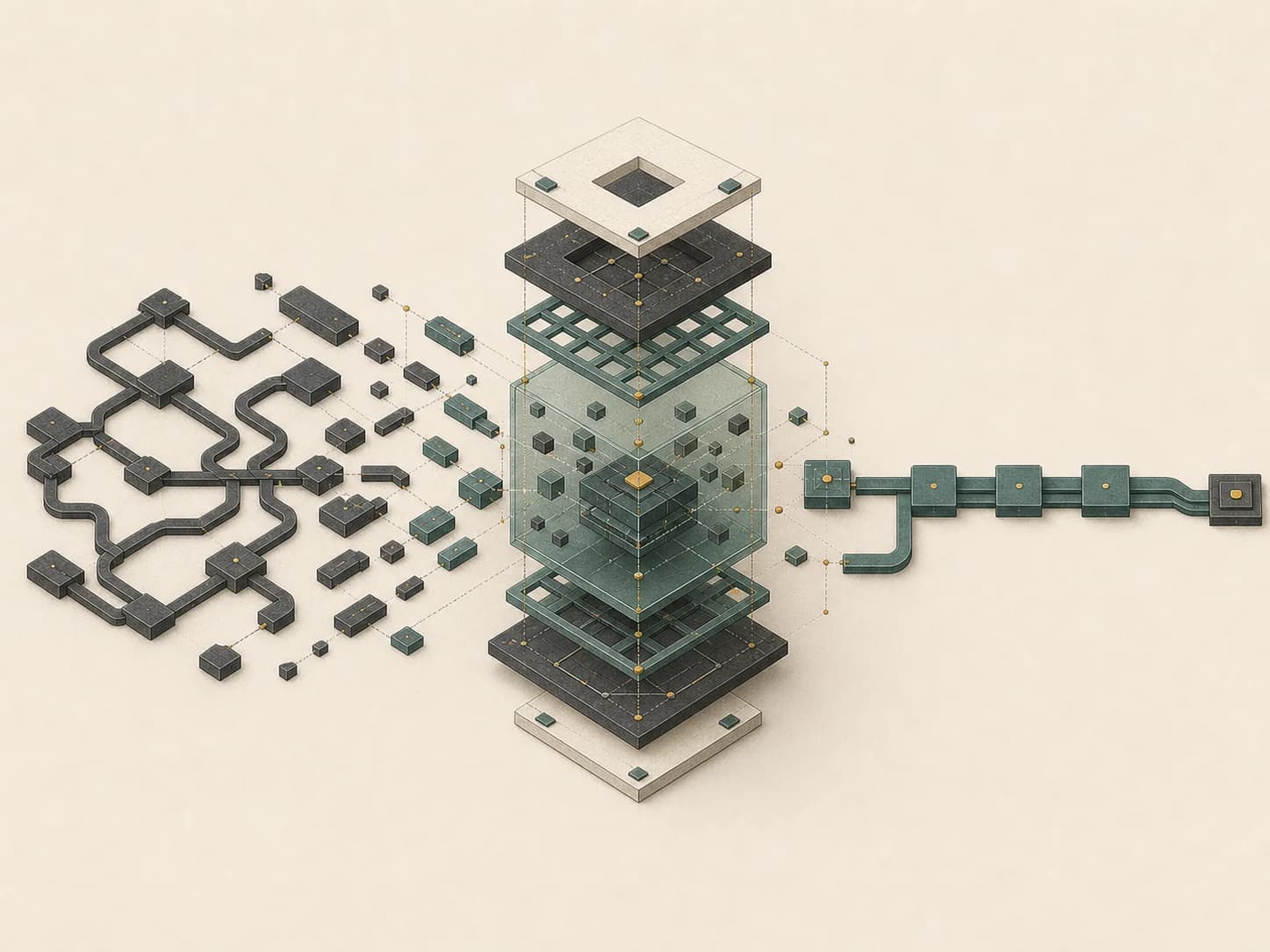
Process Reengineering & Automation
We redesign selected workflows before choosing tools, then automate stable, repeatable steps through scripts, integrations, low-code platforms, or SaaS products. Prototypes are tested with the people who use the process before a broader rollout.
- Future-state workflow and responsibility design
- Removal or simplification of unnecessary steps
- Automation through scripts, integrations, or SaaS tools
- Dashboards and event logs for operational visibility
- Rollout planning, user support, and change management
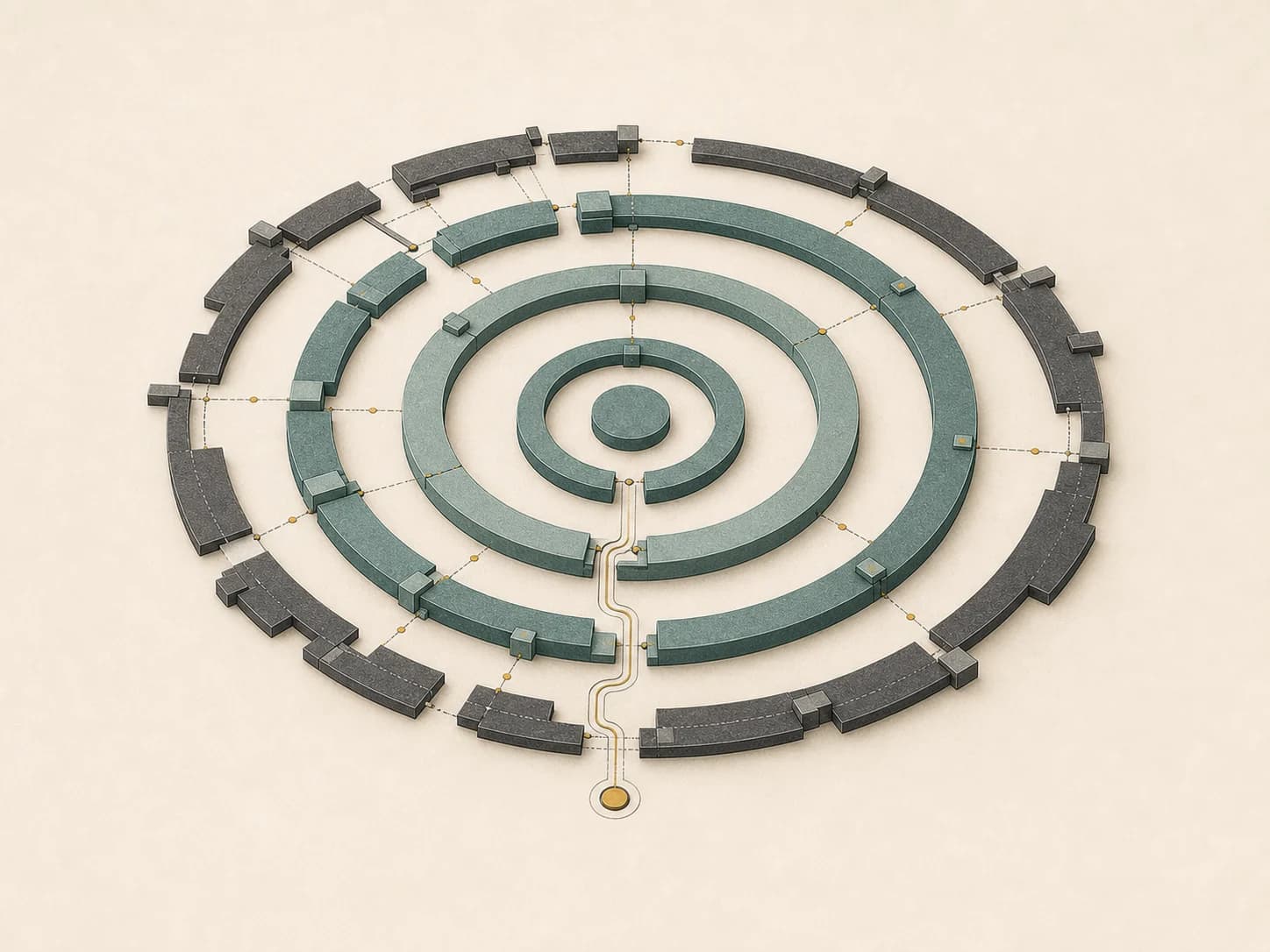
Ongoing Continuous Improvement
After changes go live, we review operating feedback and available measures to see where the process still creates friction. Workflows, documentation, and training can then be adjusted as teams, systems, and business needs evolve.
- Scheduled reviews against agreed measures
- Feedback loops embedded in daily operations
- Workflow documentation and staff enablement
- Targeted refinements based on observed friction
- Planning for changes in volume, roles, or systems
Start a conversation
Make the next process change practical
Bring us the workflow that is slow, manual, or difficult to scale. We can map the current state and identify where redesign or automation will help.
Discuss your workflow